Softscaping vs Hardscaping in Kenya: What’s Best for Your Garden?
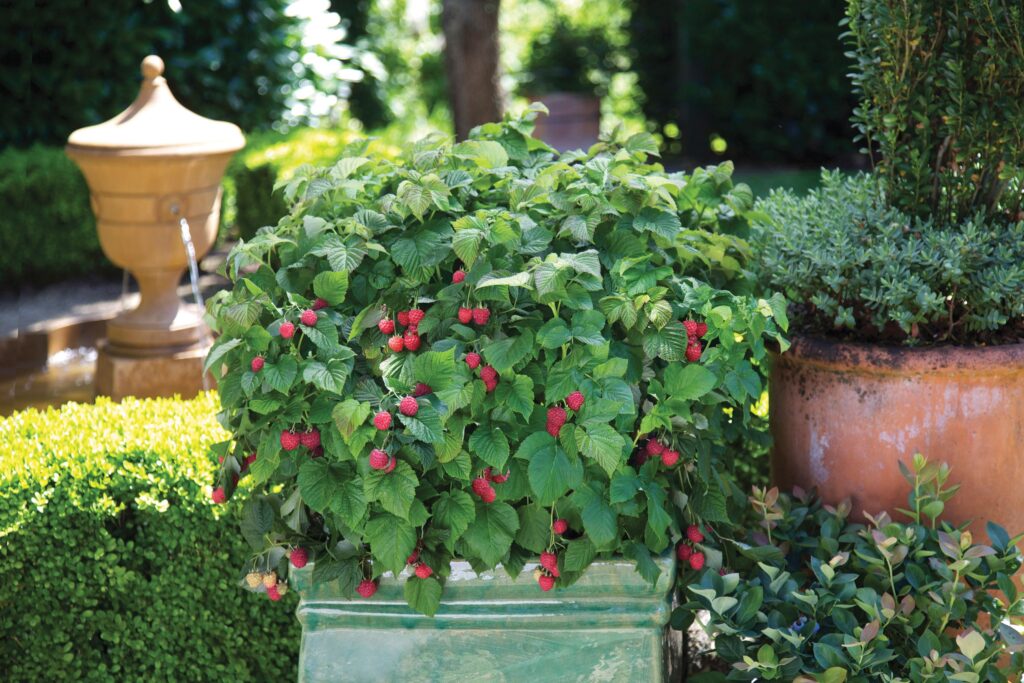
Introduction to Softscaping vs Hardscaping in Kenya
When planning a property makeover, homeowners frequently encounter specialized technical terms that sound confusing at first. Specifically, the two most important design concepts you must understand are softscaping and hardscaping. Therefore, if you want to transform a muddy compound or a dry plot into a stunning paradise, you must learn how these two elements interact. Understanding Softscaping vs Hardscaping in Kenya: What’s Best for Your Garden? is the ultimate key to planning a functional, beautiful, and climate-resilient property layout.
At Aquascapes, we specialize in balancing these two design pillars to craft sustainable yards across East Africa. Consequently, this comprehensive architectural guide will break down the differences, costs, and ideal combinations of softscaping kenya and hardscaping kenya systems for your home.
Defining the Core Concepts: Softscaping vs Hardscaping in Kenya
To create a great outdoor layout, we must first define what these terms actually mean in practice. Essentially, they are the two opposite sides of the same design coin.
What is Softscaping Kenya?
Softscaping refers to all the living, changing, and organic elements within your landscape architecture. For instance, this category encompasses your choice of landscaping plants kenya, turf lawns, structural hedges, flower beds, and mature trees. Because these elements grow, bloom, and change color with the seasons, they bring movement, softness, and vibrant life to your compound.
What is Hardscaping Kenya?
Hardscaping, conversely, comprises all the non-living, structural, and hard elements built into your outdoor space. For example, this includes concrete cabro paving Kenya driveways, stone perimeter walls, wooden pergolas, stone patios, and drainage networks. These solid structures provide the underlying physical framework, stability, and functional utility that your property needs to remain usable year-round.
Why a Balanced Landscape Design Kenya is Essential
Some homeowners make the mistake of over-indexing on just one element. For example, if you focus entirely on softscaping, your yard can quickly dissolve into a muddy, chaotic jungle during the heavy April rains. On the other hand, if you install too much hardscaping, your property can end up looking like a cold, uninviting commercial parking lot. Therefore, exploring Softscaping vs Hardscaping in Kenya: What’s Best for Your Garden? reveals that the true secret lies in achieving a perfect, harmonious balance.
1. Managing Heavy Tropical Stormwater
First, hardscaping elements like sloped drainage channels and stable retaining wall design Kenya systems protect your property from devastating soil erosion. However, softscaping elements like deep-rooting grasses and dense ground covers are equally vital. This is because they absorb excess rainwater naturally, preventing your compound from flooding.
2. Enhancing Usable Outdoor Living Spaces Kenya
Second, hardscaping creates comfortable structural platforms for relaxation. For instance, installing a flat patio design Kenya layout gives you a stable area for outdoor furniture and barbecues. Meanwhile, surrounding that patio with soft landscaping—like fragrant rosemary bushes or colorful bougainvillea—softens the hard edges, absorbs heat, and creates a peaceful, private sanctuary.
Deep Dive into Softscaping Options for Kenyan Homes
When planning the living elements of your yard, you must choose plants that can survive the intense local weather patterns.
- Lawn Care Kenya Choices: For a durable green carpet that can handle active pets and foot traffic, Kikuyu grass and Buffalo grass are exceptional choices. Alternatively, if your plot has heavy shade from large trees, Zimbabwe grass thrives with very little direct sunlight.
- Drought-Tolerant Plants Kenya: To keep maintenance workloads low, select hardy native species. For instance, incorporating indigenous aloes, succulents, and colorful desert roses ensures your garden looks striking even during severe dry spells.
- Hedge Trimming Kenya and Shrub Management: Using structural shrubs like Duranta or Conocarpus allows you to form clean, living privacy screens. However, these require routine shrub trimming Kenya to keep their geometric shapes looking sharp.
Deep Dive into Hardscaping Options for Kenyan Homes
Hardscaping gives your property its permanent shape, pathways, and structural security. Because these installations are difficult to alter later, choosing high-quality materials from the start is absolutely crucial.
- Paving Installation Kenya: For clean, mud-free driveways, professional cabro paving Kenya remains the industry gold standard. It is incredibly durable, handles heavy vehicle weights, and comes in various colors to match your house architecture.
- Landscape Lighting Kenya: Installing strategic garden lighting Kenya fixtures along stone pathways or highlighting mature trees ensures your hardscape remains beautiful and safe at night.
- Water Features Kenya: Incorporating an elegant rock fountain or a small garden pond adds a luxurious focal point to your yard, seamlessly blending hard stone with moving water.
Softscaping vs Hardscaping in Kenya: Comparison Matrix
To help you budget and plan your next project effectively, let us compare how these two landscaping categories perform across different operational metrics.
| Feature / Metric | Softscaping (Living Elements) | Hardscaping (Built Structures) |
| Primary Examples | Lawns, shrubs, flowers, tree planting services Kenya. | Cabro driveways, patios, retaining walls, pergolas. |
| Initial Cost Profile | Generally lower up-front material and planting costs. | Higher up-front investment for masonry and excavation. |
| Maintenance Needs | High ongoing care (lawn maintenance Kenya, weeding). | Very low upkeep (occasional washing or sealing). |
| Lifespan / Durability | Variable; changes continuously and can die if neglected. | Long-lasting; built to endure for decades. |
| Main Function | Aesthetics, softening, cooling, ecosystem support. | Structure, erosion control, parking, usability. |
How to Choose the Best Ratio for Your Specific Property
When analyzing Softscaping vs Hardscaping in Kenya: What’s Best for Your Garden?, there is no single cookie-cutter answer. Instead, the ideal percentage split depends heavily on your specific property footprint and lifestyle goals.
For Small Urban Plots and Townhouses
If you own a compact compound in a crowded area like Kilimani or Westlands, you should generally favor a higher hardscaping ratio (roughly 60% hardscape to 40% softscape). Utilizing elegant small garden landscaping Kenya techniques—such as installing a stone patio bordered by vertical wall planters—prevents mud while maximizing your limited seating space.
For Large Suburban Estates (50×100 and Above)
If you have a spacious plot in areas like Karen, Runda, or Kitengela, you can lean heavily into softscaping (roughly 30% hardscape to 70% softscape). This setup allows you to install wide, sweeping lawns, dense fruit orchards, and extensive flower beds. Meanwhile, you only use hardscaping for essential zones like the driveway, main walkways, and a primary outdoor entertainment deck.
Why Aquascapes is the Best Landscaping Company in Kenya
At Aquascapes, we do not look at your yard as just a collection of plants or a patch of concrete. Instead, we analyze your home holistically. As the top provider of professional landscaping services Kenya has to offer, we engineer custom layouts where your hardscapes protect your softscapes, and your softscapes beautify your hardscapes. Whether you need a massive commercial landscaping Kenya installation for an office park or fresh backyard garden ideas Kenya for your home, our expert designers handle everything seamlessly.
“A beautiful garden requires a strong skeleton of stone and a vibrant soul of green. True luxury is found where they meet perfectly.” — The Aquascapes Design Architecture Team.
FAQs on Softscaping vs Hardscaping in Kenya
1. Which is more expensive, softscaping or hardscaping?
Hardscaping is noticeably more expensive up front due to the cost of heavy materials like concrete, natural stone, and specialized masonry labor. However, softscaping requires a higher long-term financial commitment for ongoing garden maintenance Kenya services.
2. Can hardscaping help fix severe soil erosion on a sloped plot?
Yes, absolutely. Installing structured retaining wall design Kenya tiers is the most effective engineering solution to stabilize steep terrain, especially in hilly areas like Kiambu or Riruta.
3. What is an eco-friendly hardscaping option for a modern driveway?
You can opt for permeable paving blocks or grid-style grass cabro. This innovative approach allows grass to grow through the structural gaps, seamlessly combining softscaping kenya with hardscaping kenya to facilitate natural rainwater drainage.
4. How often do softscapes require professional tree pruning Kenya or care?
Massive overgrowth can ruin a garden design. Therefore, structural tree pruning Kenya should be done once a year, while lighter tasks like hedge trimming should occur every 4 to 6 weeks.
5. How do I get an accurate cost estimate for blending these two services?
You can contact Aquascapes directly. We will conduct a thorough physical site inspection and provide an itemized Bill of Quantities (BQ) covering both your structural and botanical installation costs.
Conclusion
In conclusion, answering the question of Softscaping vs Hardscaping in Kenya: What’s Best for Your Garden? reveals that you never have to choose one over the other. Instead, the most successful landscapes are those that utilize sturdy hardscaping to build the functional structural bones of the yard, while using lush softscaping to bring color, life, and natural warmth to the property.
Ready to strike the perfect structural balance in your compound? Whether you are looking for local landscaping services near me or an affordable garden design Kenya blueprint, Aquascapes is here to guide you every step of the way. Contact our design office today to book your expert design consultation!
External Resources:
- Architectural Association of Kenya (AAK) – Landscape Chapter – For local professional guidelines on structural landscape architecture.
- Kenya Horticultural Society – A comprehensive registry of indigenous flora and growing requirements in East Africa.