Native Kenyan Plants That Transform Gardens: Sustainable Landscaping Guide
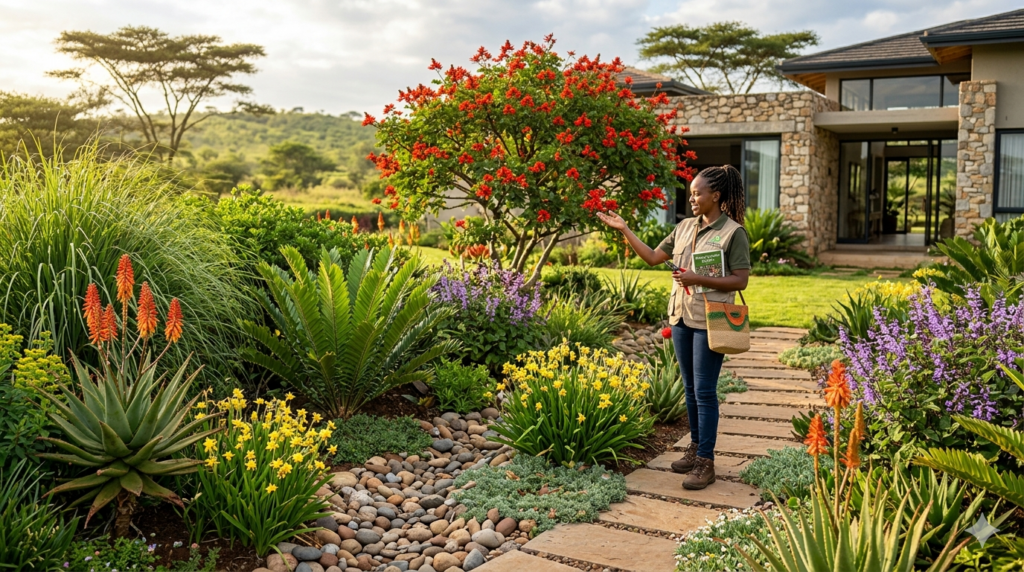
Introduction to Native Kenyan Plants That Transform Gardens
For many years, traditional property design in East Africa heavily relied on exotic imports. For example, delicate European roses and thirsty tropical flowers from other continents filled suburban compounds. However, keeping these sensitive plants alive requires massive amounts of water, heavy chemical treatments, and endless manual work. Fortunately, modern landscape design has shifted toward a more practical approach. Understanding Native Kenyan Plants That Transform Gardens: Sustainable Landscaping Guide allows you to build an authentic, striking yard. Consequently, your compound will harmonize with the local ecosystem rather than fighting against it.
At Aquascapes, we champion the use of indigenous flora to construct low-maintenance, climate-resilient sanctuaries. Therefore, this comprehensive horticultural guide explores the top local species that can elevate your next sustainable landscaping Kenya project.
Why Choose Native Plants Kenya for Your Compound?
Switching from non-native species to indigenous flora is a highly intelligent decision for homeowners. Indeed, choosing the best native plants kenya has to offer delivers clear environmental, aesthetic, and financial benefits.
1. Superior Climate Resilience
First, native plants are uniquely adapted to local weather patterns. Because they have evolved over millennia to survive Kenya’s sharp seasonal shifts, they handle intense dry spells and heavy tropical downpours effortlessly. Thus, your green investment stays strong even when utility water is scarce.
2. Natural Resistance to Local Pests
Second, exotic plants often require constant chemical pesticides to survive local bugs. By contrast, indigenous species have built-in defenses against regional insects and soil-borne diseases. As a result, you save money on chemical treatments while keeping your soil and groundwater clean.
3. A Thriving Wildlife Ecosystem
Third, local flora acts as a natural magnet for beneficial wildlife. Planting indigenous trees and shrubs provides immediate food and shelter for local birds, butterflies, and honeybees. Consequently, your backyard landscaping Kenya project becomes a vibrant, living sanctuary that supports local biodiversity.
Majestic Indigenous Trees for Structural Shade
If you own a large residential plot or manage a spacious property, choosing the right canopy trees is your first priority. Indigenous trees form the permanent structural bones of your landscape design Kenya layout.
Croton (Croton megalocarpus)
Commonly known as Mukinduri or Muthithu, the native Croton is a phenomenal addition to any large compound. This tough, medium-to-large tree features a beautiful spreading canopy that provides deep shade. Furthermore, it produces unique silver-green leaves and highly resilient seeds that attract diverse bird species to your yard.
Nandi Flame (Spathodea campanulata)
If you want to inject spectacular, explosive color into your skyward views, the Nandi Flame is unmatched. This iconic African tree produces large, fiery orange-red trumpet flowers that contrast beautifully against its dark-green foliage. It grows rapidly and serves as a magnificent focal point for front yard landscaping Kenya designs.
Fever Tree (Acacia xanthophloea)
Famous for its striking, powdery lime-green bark and bright yellow blossoms, the Fever Tree brings an authentic safari aesthetic to your property. It loves areas with high water tables but is remarkably drought-tolerant once established. Additionally, its delicate, feathery leaves filter intense sunlight, creating a soft, dappled light pattern on the grass below.
Vibrant Indigenous Shrubs and Ground Covers
To fill out the mid-level zones of your garden design Kenya blueprint, you need reliable, colorful plants that suppress weeds and control soil erosion.
- Agapanthus (Agapanthus africanus): This classic East African perennial is highly prized by professional designers. It features lush, strap-like green leaves and produces tall, beautiful globes of blue or purple flowers. It thrives in almost any soil and handles partial shade beautifully.
- Wild Sage (Lippia javanica): An incredibly aromatic, hardy shrub that features small clusters of white or cream flowers. Beyond its clean visual appeal, its intensely fragrant crushed leaves act as a natural pest repellent, protecting your outdoor living spaces Kenya.
- Lantana (Lantana camara): Modern native varieties of Lantana offer non-stop flowering performance. They bloom continuously in bright, multicolored clusters of red, yellow, and purple, making them ideal for borders and low hedges.
Architectural Succulents for Low-Maintenance Accents
For modern, high-end homes in warmer regions like Kitengela, Athi River, or Machakos, structural succulents are essential components of an affordable garden design Kenya strategy.
Indigenous Aloes (Aloe arborescens & Aloe vera)
Local Aloes are the undisputed champions of drought-resistant landscaping Kenya. They feature thick, fleshy leaves arranged in striking geometric rosettes that store water internally. When they bloom, they produce tall, bright red or orange flower spikes that attract beautiful sunbirds to your windows.
Kalanchoe Species
These low-growing succulents feature thick, velvety leaves and produce clusters of long-lasting flowers. Because they grow perfectly in rock gardens, sandy borders, or clay pots, they are excellent tools for creative small garden landscaping Kenya layouts.
How to Successfully Integrate Native Plants into Your Yard
Implementing the principles of Native Kenyan Plants That Transform Gardens: Sustainable Landscaping Guide requires a structured, scientific approach during installation.
1.Analyze Your Site Conditions:Soil Check.
Evaluate your soil profile and drainage capabilities first. Determine whether your plot features the rich red volcanic soil of Limuru or the heavy black cotton clay of Kitengela.
2.Group Plants by Ecological Needs:Layout Creation.
Design your layout by pairing plants with similar sunlight and water requirements. Place sun-loving succulents in open, exposed areas and relegate delicate ferns or forest shrubs to the shade of large trees.
3.Amend Soil with Organic Manure:Bed Preparation.
Dig wide planting holes and mix your native soil with plenty of well-rotted organic compost. This step ensures early root development, even though native plants generally adapt well to local conditions.
4.Apply a Thick Organic Mulch Layer:Ground Protection.
Spread a 3-inch layer of organic mulch around your newly planted shrubs. Mulching keeps the soil moist, prevents weed growth, and protects vulnerable young roots from the scorching afternoon sun.
5.Establish a Temporary Watering Plan:Early Care.
Water your new installations deeply twice a week for the first three months. Once their root systems are fully established, you can safely turn off your manual watering systems.
Comparing Native vs. Exotic Landscapes in Kenya
| Metric / Feature | Exotic Imported Landscapes | Native Indigenous Landscapes (2026) |
| Water Consumption | Extremely high; requires constant irrigation. | Very low; relies primarily on natural rainfall. |
| Pesticide Dependency | High; vulnerable to local bugs and rust. | Virtually zero; possesses natural immunities. |
| Soil Stabilization | Shallow roots can lead to erosion on slopes. | Deep, aggressive root systems secure the soil. |
| Ongoing Upkeep Cost | Expensive garden maintenance Kenya needs. | Highly affordable, streamlined care routines. |
| Ecosystem Impact | Displaces local wildlife and beneficial insects. | Restores natural biodiversity and invites birds. |
Why Aquascapes is the Premier Sustainable Landscaping Authority
At Aquascapes, we are widely recognized as the best landscaping company in Kenya because we do not rely on generic, artificial layouts. We operate dedicated nurseries that propagate healthy, acclimatized native species tailored for different ecological zones. Whether you require full-scale commercial landscaping Kenya for a corporate park or fresh backyard garden ideas Kenya for your home, our expert botanists handle your project with unmatched precision.
“Designing a luxury garden doesn’t mean imposing foreign plants onto Kenyan soil. True design luxury is celebrating the breathtaking flora that belongs here naturally.” — The Aquascapes Botanical Design Team.
FAQs on Native Kenyan Plants
1. What is the core message of the native kenyan plants that transform gardens: sustainable landscaping guide?
The core message is that using climate-adapted, indigenous flora allows you to build a stunning, high-value landscape that requires significantly less water, fewer chemicals, and less maintenance than exotic gardens.
2. Can an indigenous garden look formal and high-end?
Yes, absolutely. When native shrubs like Duranta are shaped through routine hedge trimming Kenya, and paired with geometric hardscapes, they create an incredibly sophisticated, premium aesthetic.
3. Which native grass variety is best for residential lawns?
Buffalo grass is an outstanding indigenous choice for sunny yards due to its extreme heat tolerance, while Kikuyu grass thrives beautifully in cooler highland regions.
4. How often do local trees require professional care or trimming?
While native trees are tough, scheduling professional tree pruning Kenya or shrub trimming Kenya once a year is recommended. This upkeep manages their shape, removes dead wood, and maximizes air circulation.
5. Where can I find professional landscaping services near me?
Aquascapes offers full site evaluations, custom botanical designs, and expert installations throughout Nairobi and surrounding counties.
Conclusion
In conclusion, adopting the principles of Native Kenyan Plants That Transform Gardens: Sustainable Landscaping Guide completely changes how you manage your property. By moving away from high-maintenance exotic plants and embracing resilient local trees, vibrant shrubs, and sculptural succulents, you can enjoy a breathtaking, eco-friendly landscape that thrives beautifully through every season.
Ready to restore your property’s natural beauty with smart plant choices? Whether you want to improve your lawn care Kenya routine or explore a full sustainable layout design, Aquascapes is here to guide you. Contact our professional botanical office today to schedule your custom site consultation!
External Resources:
- Kenya Forestry Research Institute (KEFRI) – For scientific data and propagation guides on indigenous East African tree species.
- Kenya Horticultural Society – A reliable community database for local plant identification and sustainable gardening advice.